
DiCello Levitt Expands Whistleblower Practice With Preeminent SEC Whistleblower Team

Securities Law

Private Offering Fraud

Common Securities Violations

Private offering fraud generally occurs when an individual (or group of individuals) makes misrepresentations and/or omissions of material fact to potential investors in a new company.

An example of fraud is when individuals will contact potential investors and attempt to induce them into investing in a new, unknown company, by making false claims about the company.

Another common type of offering fraud is a Ponzi scheme, where investors are paid returns from their own money or from the money invested by subsequent investors, rather than from any actual profit earned. The operator of the scheme induces new investors by paying unusually consistent or abnormally high returns to older investors.

Pyramid schemes are also an example of offering fraud in which an individual or several individuals recruit investors, promising investors large returns for recruiting other investors rather than through any real investment. At each level, the number of investors increases, creating a “pyramid.” The small group of initial investors at the top requires a larger base of later investors to fund the earlier investors. The pyramid will ultimately collapse when not enough new investors are available to recruit and pay earlier investors. Pyramid schemes can appear in many forms and are sometimes disguised as multi-level marketing companies which claim to sell a product or service, but actually only generate money through the recruiting of new members.

Offering fraud may also occur online, with fraudsters using websites or social media to approach large numbers of potential investors with misinformation or false promises of guaranteed returns. In recent years, fraudsters have also harnessed blockchain technology, initial coin offering, and cryptocurrency to commit offering fraud.
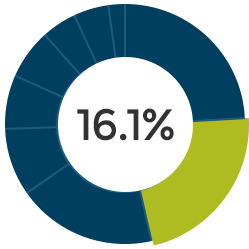
16.1% of SEC whistleblower tips involved offering fraud

In recent years, on average, 16.1% of all SEC whistleblower tips have involved this type of securities violation.


Frequently Asked Questions

What makes a private placement different from an initial public offering?

A private placement involves raising capital from a small group, unlike an initial public offering which sells shares to the whole world. The Securities Act governs all sales. Public offerings require total transparency and strict registration requirements. A private securities offering relies on a private placement exemption to avoid full SEC registration. However, the issuer still must obey federal securities laws, particularly the anti-fraud provisions. SEC Whistleblower Advocates helps people report fraudulent private placements violations safely.

How do unregistered securities offerings trap individual investors?

Scams often involve unregistered securities because the lack of oversight makes hiding the truth easier. An issuer might sell unregistered offerings without providing a private placement memorandum. The document should explain all risks and material facts. Without proper disclosure requirements, retail investors face massive danger. SEC Whistleblower Advocates investigates private offerings to uncover hidden securities fraud. On behalf of clients, our legal team regularly submits proof of private offering fraud directly to law enforcement.

Where can people find an investor alert about potential fraud?

The SEC publishes investor alerts and bulletins to educate the public about emerging scams, risky investment schemes, and other potential securities law violations. These resources can help investors recognize warning signs, understand how fraudsters may promote unlawful securities offerings, and make more informed investment decisions.
SEC Whistleblower Advocates monitors SEC investor alerts and related agency guidance to stay informed about enforcement priorities and common fraud patterns. When appropriate, our team may use those public warnings, along with information provided by whistleblowers, to help evaluate potential claims and prepare well-supported submissions to the SEC.

Can non-accredited investors buy private securities?

Federal securities laws place limits on who may participate in private securities offerings. In many private offerings, issuers rely on exemptions that are primarily designed for accredited investors, such as individuals with a high net worth or high income. Some exemptions may permit a limited number of non-accredited investors to participate, but those offerings must comply with specific regulatory requirements.
If an issuer broadly sells private securities to non-accredited investors without a valid exemption or required disclosures, it may raise concerns about unregistered securities offerings or other potential securities law violations. SEC Whistleblower Advocates helps evaluate reports involving illegal sales of private securities, unregistered offerings, and securities offerings sold to unqualified buyers.

Should investors trust registered securities blindly?

Registration does not guarantee a safe investment. Registered offerings still carry risks. Public companies can lie on official SEC filings. An issuer might hide debts or fake current-year revenue. SEC Whistleblower Advocates uncovers lies hidden in registered securities documents. Our attorneys also help whistleblowers report the false data to the SEC and to protect investors and the financial markets.

Do state securities laws apply to a private placement?

Yes. Private placements may need to comply with both federal securities laws and state securities laws, often referred to as “blue sky laws.” Even when an issuer relies on a federal exemption from registration, the offering may still be subject to state notice filings, disclosure obligations, anti-fraud rules, or other state-level requirements.
When businesses sell stocks, bonds, or other securities across state lines without complying with applicable federal and state rules, the conduct may raise concerns about private placement violations, unregistered securities offerings, or securities fraud. SEC Whistleblower Advocates helps evaluate reports involving potential securities offering violations and assists whistleblowers in presenting relevant information to the appropriate authorities.

What role do brokerage firms play in offering fraud?

Brokerage firms must protect clients from scams. An investment professional cannot push illegal investments. If a broker sells fraudulent private placements, financial institutions may face severe penalties. SEC Whistleblower Advocates helps insiders report potential violations involving brokerage firms to the SEC.

How does general solicitation ruin a private placement exemption?

A company cannot advertise exempt deals to the general public. General solicitation includes running ads, posting on social media, or holding open seminars to raise money. If a business uses public ads, the deal may lose its exempt status. SEC Whistleblower Advocates can help gather and evaluate public advertisements to show how a private securities offering was promoted and whether the issuer may have violated the rules for an exemption.

Why do bad actors prefer limited liability companies for scams?

Criminals often create limited liability companies or limited partnerships to hide their identity. The structures make tracking the money difficult. The fraudsters promise high returns or fake interest payments to attract capital quickly. SEC Whistleblower Advocates helps whistleblowers identify the corporate layers, money flows, and supporting evidence that may reveal how the scheme operated.

How does a person get a free consultation about securities fraud?

Anyone can contact SEC Whistleblower Advocates for a free, confidential consultation about potential securities fraud. If an employee, investor, broker, advisor, or other insider has information about misconduct involving stocks, bonds, private placements, unregistered offerings, or other securities, they should reach out promptly. SEC Whistleblower Advocates helps whistleblowers evaluate potential claims, organize supporting evidence, and report securities violations to the SEC while pursuing any whistleblower award that may be available under the law.

Named one of the top whistleblower practices/attorneys in the country by The New York Times, Wall Street Journal, NPR, and The New Yorker