
Quick Overview
■ Securities offerings must generally be registered with the SEC
■ Limited exemptions exist for private placements and smaller offerings
■ Violations occur when offerings fail to register or don’t qualify for exemptions
■ Penalties can be significant, including rescission rights for investors
Why Registration Matters
The securities registration requirement serves as a cornerstone of federal securities laws. Registration requires companies to provide investors with material information about the offering, including financial statements, risk factors, use of proceeds, and management backgrounds. This disclosure allows investors to make informed decisions and provides accountability. When companies sell securities without proper registration or a valid exemption, investors are denied this critical information and protections. The Securities and Exchange Commission enforces these registration requirements to protect unsuspecting investors from potentially fraudulent schemes in the market.
With limited exceptions, offerings of securities in the U.S. must be registered with the SEC. An offering that is not registered, or that fails to meet the requirements for exemption, constitutes a violation (and sales, or attempted sales, are a serious crime).
Unregistered offerings violations can range from inadvertent non-compliance by early-stage companies to deliberate fraudulent schemes. Common scenarios include companies that mistakenly believe they qualify for an exemption, issuers that exceed the limits of available exemptions, and bad actors—including former brokers, insurance agents, or executives, who deliberately sell unregistered securities to unsophisticated investors while falsely claiming exemptions apply. These schemes often involve above market returns on investments while taking advantage of clients seeking to meet financial goals.
Non-public offerings are among the more common exceptions to the registration requirement. This exemption, sometimes referred to as the “private placement” exemption, is established by Section 4(a)(2) of the Securities Act, and generally applies to offerings in which purchasers are informed, “sophisticated investors” who have agreed not to resell the securities to the public.
The private placement exemption requires careful analysis under federal securities laws. Courts and the Securities and Exchange Commission consider multiple factors, including the number of offerees, the relationship between the issuer and offerees, the sophistication and access to information of the offerees, and the manner of the offering. Even when selling to sophisticated, wealthy investors or accredited investors, companies can violate securities laws if they engage in general solicitation or fail to ensure purchasers are acquiring the securities for investment rather than resale. Legitimate private securities offerings must comply with several exemptions under the Securities Act to avoid registration.
Notwithstanding these general parameters, however, this exemption leaves much to interpretation, and thus a safe harbor is included in Rule 506 of Regulation D. In addition, in Rules 504-506, Regulation D sets forth some other common exceptions to registration, which generally turn on one or more of the following:
- the size/duration of the offering (e.g., an offering of $1 million or less over a 12-month time period faces the least restrictions in qualifying for exemption);
- the means of solicitation (public advertising is often a hitch);
- the level of disclosure provided; and
- the characteristics of the investors and/or the securities.
Common Violations Whistleblowers Identify
Whistleblowers often observe the following violations related to unregistered securities offerings:
- General Solicitation in Supposed Private Offerings: Companies claiming private placement exemptions while advertising through websites, social media, or public events to solicit clients beyond their existing network
- Exceeding Offering Limits: Companies that exceed dollar limits or time periods specified in exemptions like Rule 504, selling an unlimited amount or unlimited number of unregistered shares beyond what Reg D allows
- Inadequate Investor Verification: Failing to take reasonable steps to verify that investors meet accredited investor standards (such as net worth exceeding $1 million excluding primary residence, or income requirements) or qualified purchaser standards for alternative investment funds
- Improper Integration: Treating what should be considered a single offering as multiple separate offerings to circumvent registration requirements, or failing to properly structure sales as a first sale under an exemption
- Failure to File Required Notices: Not filing Form D or other required notices with the Exchange Commission when relying on Regulation D offerings
- Misleading Exemption Claims: Making false statements about why an offering is exempt from registration under certain SEC guidelines
- Lack of Investment Intent: Selling private securities to purchasers who intend immediate resale, violating the investment intent requirement of private placements
- Improper Sales Practices: Using former brokers or investment advisers who are not in good standing to sell private offerings to family members, clients, or other businesses without proper registration statements
- Use of Investor Funds for Personal Expenses: Principals controlled investment funds and diverted money raised through unregistered offerings to personal expenses rather than stated business purposes
- Growing Problem in Financial Advice Industry: A growing problem involves individuals who employ networks of insurance agents or sales representatives to sell unregistered shares in alternative investment funds or other investment funds, promising returns while subject to disciplinary action by state securities regulators
The JOBS Act (discussed in Section I.H., supra) required certain amendments to existing exemptions and creation of new ones to make it easier, particularly for smaller companies, to raise capital without SEC registration.
The JOBS Act created new exemption categories, including Regulation A+ for offerings up to $75 million and provisions allowing general solicitation in certain Rule 506 offerings if all purchasers are accredited investors. These changes expanded capital-raising options for emerging companies but also created new compliance obligations for issuers, brokers, and institutions. Violations can occur when companies misunderstand or misapply these newer exemption frameworks when they file form submissions or sell securities to investors.
Consequences of Violations
Unregistered offerings violations can result in significant consequences:
For Companies and Individuals:
- SEC enforcement actions seeking injunctions, disgorgement, and civil penalties
- Criminal prosecution in cases involving fraud or willful violations
- Rescission rights allowing investors to demand their money back
- Reputational damage affecting future capital-raising ability
- Disciplinary action by state securities regulators and potential loss of licenses for brokers or investment advisers
- Stock or unregistered shares sold may be subject to rescission, requiring return of all funds to investors
For Investors:
- Rescission rights to recover their investment
- Private rights of action under Section 12(a)(1) of the Securities Act
- Recovery of damages if the violation involved fraud or material misrepresentations
The Securities and Exchange Commission actively pursues unregistered offerings cases, particularly those involving retail investors, fraudulent conduct, or recidivist violators. These cases can lead to substantial monetary sanctions and awards for whistleblowers who provide information leading to successful enforcement actions. For example, cases involving unregistered securities sold to unsuspecting investors through private offerings that violated Regulation D have resulted in significant penalties.
Red Flags for Potential Whistleblowers
Individuals who work in compliance, legal, finance, or sales roles may observe indicators of unregistered offerings violations:
- Pressure to complete transactions quickly without proper legal review by securities counsel
- Reluctance to involve securities counsel in offering structuring or to comply with SEC guidelines
- Marketing materials that appear designed to reach the general public for supposedly private securities offerings
- Investor lists that include unsophisticated or non-accredited investors in exempt offerings under Regulation D
- Lack of reasonable inquiry into investor qualifications, including failure to verify net worth, income, or accredited investor status
- Failure to provide required disclosures or selling documents to investors in private offerings
- Improper resales of restricted securities or unregistered shares without proper exemptions
- Missing or inaccurate Form D filings with the Exchange Commission
- Sales practices that appear to target vulnerable populations, including family members or clients of insurance agents
- Promising returns on investments without registered securities or proper exemptions
- Funds raised through potentially fraudulent schemes being used for personal expenses rather than stated business purposes
- A company or issuer that employs networks of sales representatives to sell private placements while growing alongside a seedy side of the financial advice industry
- Executives or principals controlled the offering process while avoiding compliance with federal securities registration requirements
If you observe conduct suggesting securities are being offered or sold without proper registration or valid exemption, this information may be valuable to the SEC and could qualify you for a whistleblower award. The growing problem of unregistered offerings affecting investors, including wealthy investors and institutions, makes red flags identification critical for protecting the market.
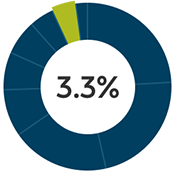
In recent years, on average, 3.3% of all SEC whistleblower tips have involved this type of securities violation.